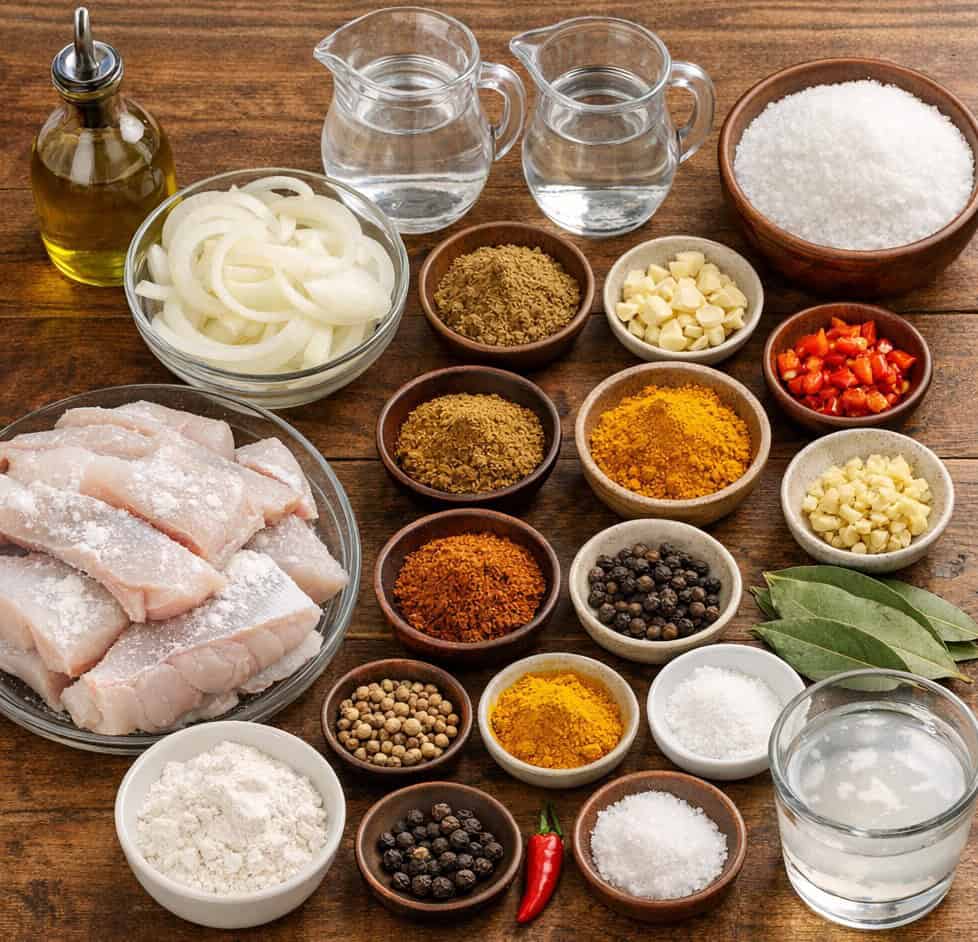
Pickled fish is a South African classic that is packed with traditional spices and bursts with flavor. This No Bake Cape Malay Pickled Fish is a staple that is an absolute must for the pickled fish lovers. It is made unique with spices from the Malay Quarter of Cape Town, South Africa, and is a great example of the homestyle and cultural cuisine of the district.
The Meaning of Cape Malay
The name Cape Malay (meaning Muslims of the Cape) originates from the Cape Malay Quarter in Cape Town South Africa, namely the Bo Kaap- home to a community of some of the first Muslim settlers in Cape Town after they were exiled from the Dutch East Indies. The Cape Malays are known for their traditional cooking style, with many staple dishes hailing from their culture, such as traditional samoosas, bobotie, a minced meat dish with a cooked egg-topping, and Cape Malay koeksisters, a sweet and spicy fried dough dessert with syrup and coconut flakes. These foods are loaded with traditional spices such as cinnamon, cardamom, aniseed, ginger, and turmeric, and offer an intense explosion of flavor for anyone lucky enough to eat them!
Guaranteed To Burst with Flavor
There are so many flavors in this dish. The fish itself is spiced with fish masala and a seafood rub, while the pickling marinade consists of bay leaves, sugar, cumin, fennel, and coriander seeds, peppercorns, cloves, allspice, fish masala, and turmeric. It is truly a delight for the tastebuds!
This dish is a hearty meal on its own that will be loved by many and devoured in minutes!
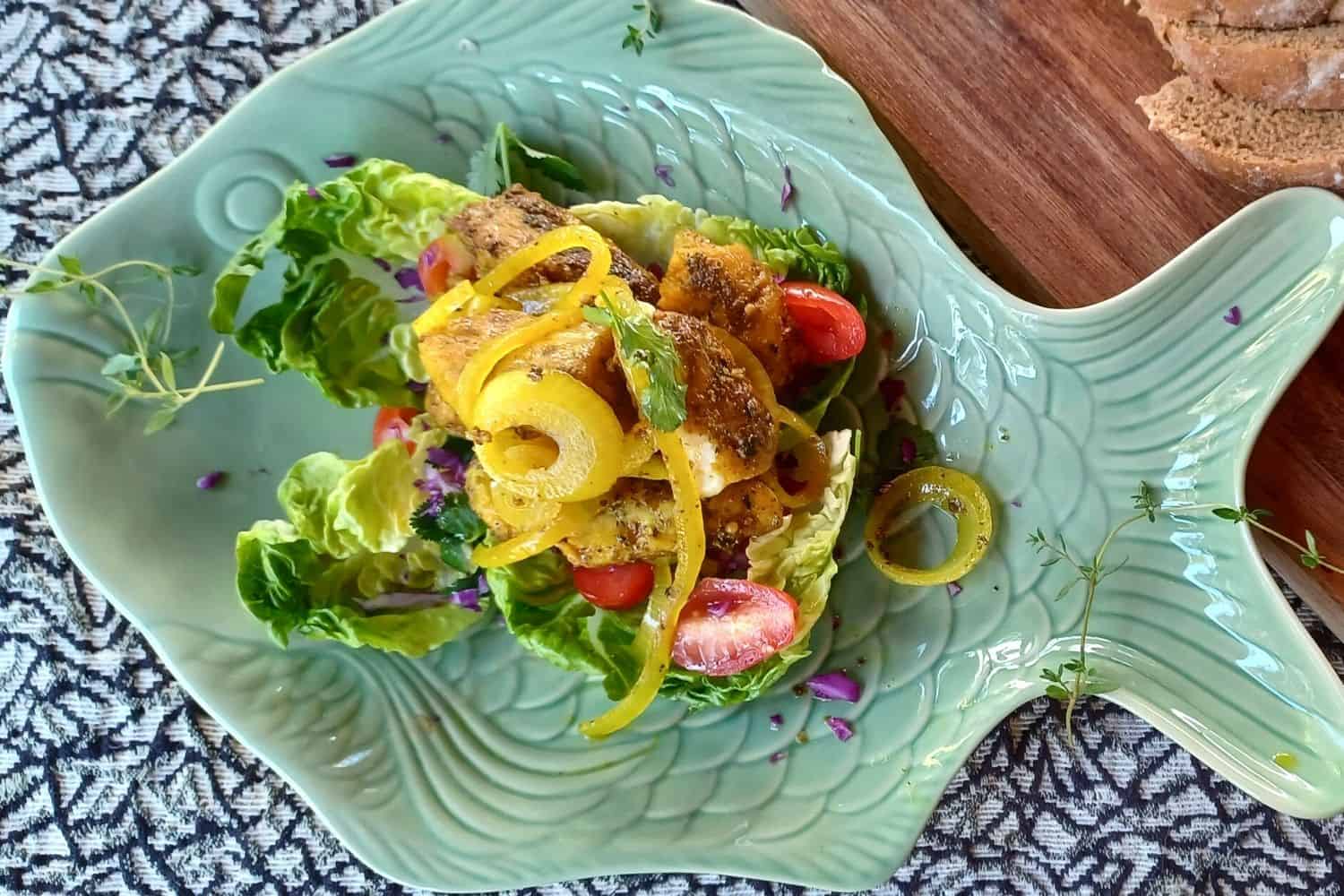

Traditional Cape Malay Pickled Fish Curry
Ingredients
Method
- Preheat the oven to 180 to 190 C (350–375 F)

- Lightly dust the fish with flour, shake off excess, then fry in a little oil until just golden. Transfer to an ovenproof glass dish.
- In a large saucepan, heat a little olive oil and sauté the onions until soft and translucent. Add the garlic, ginger and chilli (if using) and cook until fragrant.
- Stir in the curry powder, masala, turmeric, ground cumin, coriander seeds, peppercorns and bay leaves. Cook for 1–2 minutes to release the spices.
- Pour in the vinegar and water, add the sugar and salt, and bring to a gentle simmer. Simmer for 8–10 minutes.
- Mix the corn flour with 30 ml water to form a smooth paste, stir into the sauce and bring to a gentle boil until slightly thickened. Taste and adjust seasoning if needed.
- Pour the hot sauce over the fish. Bake for 30 minutes.
- Allow to cool, then refrigerate. For best flavour, serve after 1–2 days with fresh bread and butter.
- Note: Pickled fish is best served a day or two after its made.
- Serve with fresh bread and butter.